
The Allure of Casino Games
Casino games have an inherent allure that captivates players, drawing them into an experience filled with excitement and the possibility of winning. This attraction can be traced to a variety of psychological principles, such as the thrill of risk-taking and the anticipation that accompanies gambling. When players engage with sports betting apps, their brains release dopamine, a neurotransmitter closely linked to pleasure and reward. This neurochemical response creates a compelling feedback loop, encouraging players to return in hopes of experiencing that high again.
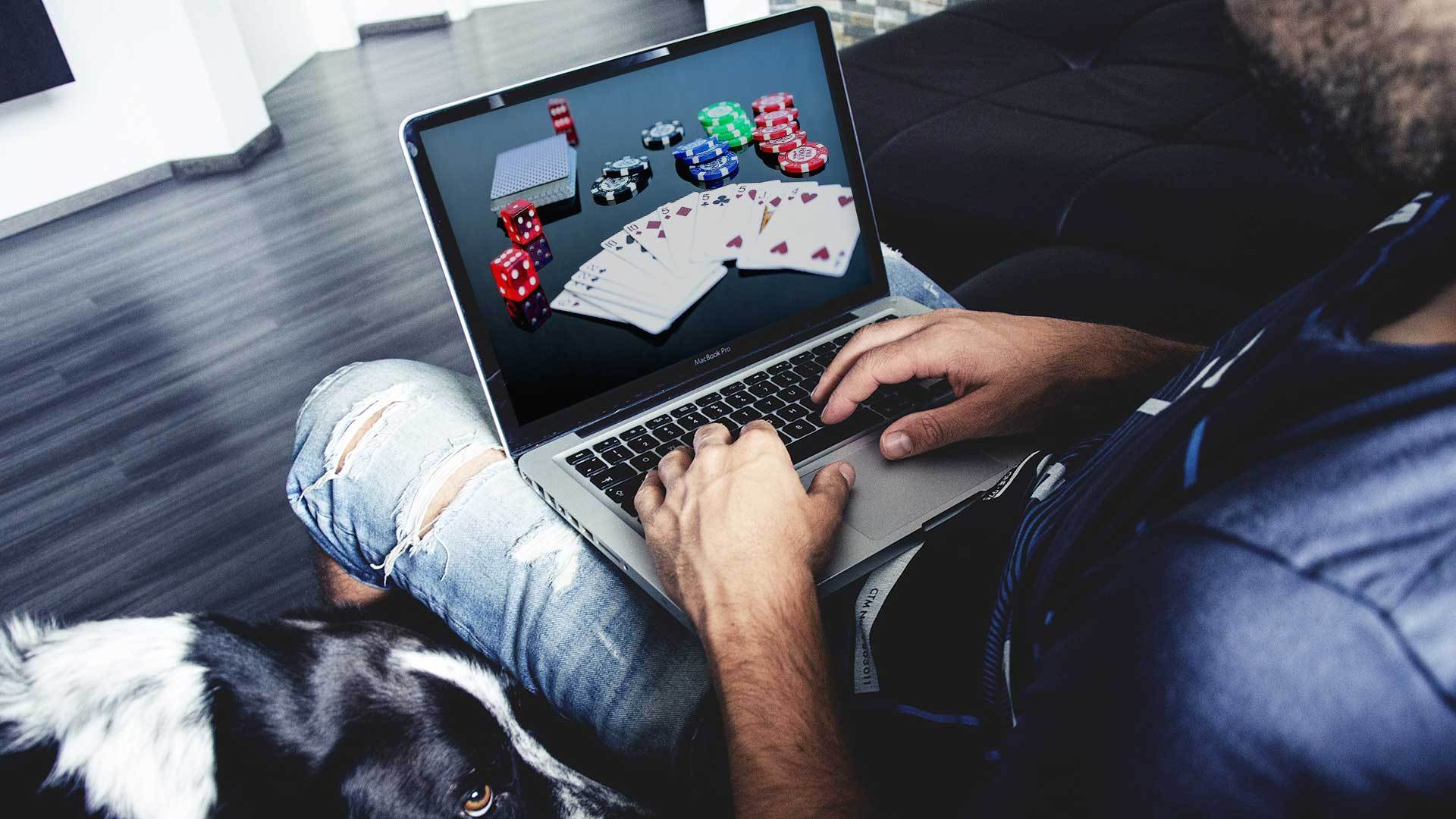
Moreover, the environments in which these games are played are meticulously crafted to enhance excitement. Bright lights, engaging sounds, and the social interaction among players all contribute to a vibrant atmosphere that stimulates the senses. These elements combine to create an immersive experience that fosters a sense of community and belonging, which can be particularly appealing to individuals seeking social connections or an escape from daily stresses.
The Impact of Game Design on Player Behavior
Game design plays a critical role in influencing player behavior in casinos. Developers employ various strategies, such as near-miss scenarios and variable reward schedules, to keep players engaged. For instance, when a player comes close to winning but ultimately does not, the emotional response can lead to increased motivation to continue playing. This psychological trick keeps players hopeful and invested in the outcome, often leading them to play longer than they initially intended.
Additionally, the use of features like autoplay and return-to-player percentages can mask the odds of winning, creating a false sense of security among players. These elements are carefully calculated to optimize player retention and maximize revenue for casinos, as players may underestimate their losses while overstating their chances of winning. Understanding these design nuances is essential for both players and industry stakeholders alike.
The Role of Cognitive Biases in Gambling
Cognitive biases significantly influence gambling behavior, leading players to make irrational decisions based on misconceptions about luck and chance. One common bias is the illusion of control, where players believe they can influence the outcome of a game through skill or strategy, even in games purely reliant on chance. This belief can lead to overconfidence and increased betting, as players feel empowered to chase losses or take risks they might otherwise avoid.
Another prevalent bias is the gambler’s fallacy, which manifests when players think that past outcomes affect future results in random events. For example, after a string of losses, a player may believe they are ‘due’ for a win, prompting them to increase their bets. Recognizing these biases is crucial for players to maintain a more realistic perspective on their gambling habits and make informed decisions.
The Social Aspect of Gambling
Gambling is often perceived as a solitary activity, yet the social aspect cannot be overlooked. Many players are drawn to casinos not just for the games but for the social interaction that accompanies them. The camaraderie built between players, as well as the shared excitement during games, enhances the overall experience and can lead to longer play sessions. Casinos often foster this social environment by hosting tournaments and offering communal spaces where players can engage with one another.
Moreover, social media has expanded the reach of gambling, allowing players to share their experiences and outcomes with friends and followers. This communal sharing can reinforce positive feelings associated with gambling and encourage further participation, even if it raises concerns about responsible gaming. Recognizing the social elements of gambling can help casinos better cater to their audiences, creating environments that foster both fun and responsible play.

Enhancing Your Gambling Experience
Understanding the psychology behind casino games and player behavior is vital for enhancing your gambling experience. By recognizing the influences of game design, cognitive biases, and the social aspects of gambling, players can make more informed choices while participating in such activities. A well-rounded perspective can improve both enjoyment and satisfaction, allowing for a more responsible approach to gambling that prioritizes fun without the potential for negative consequences.
As you explore the world of gambling, consider the insights shared here. Engaging with casino games can be a thrilling experience, but fostering a healthy relationship with gambling is essential for long-term enjoyment. By staying informed and aware, you can enjoy all the excitement that casinos have to offer while keeping your well-being in mind.